
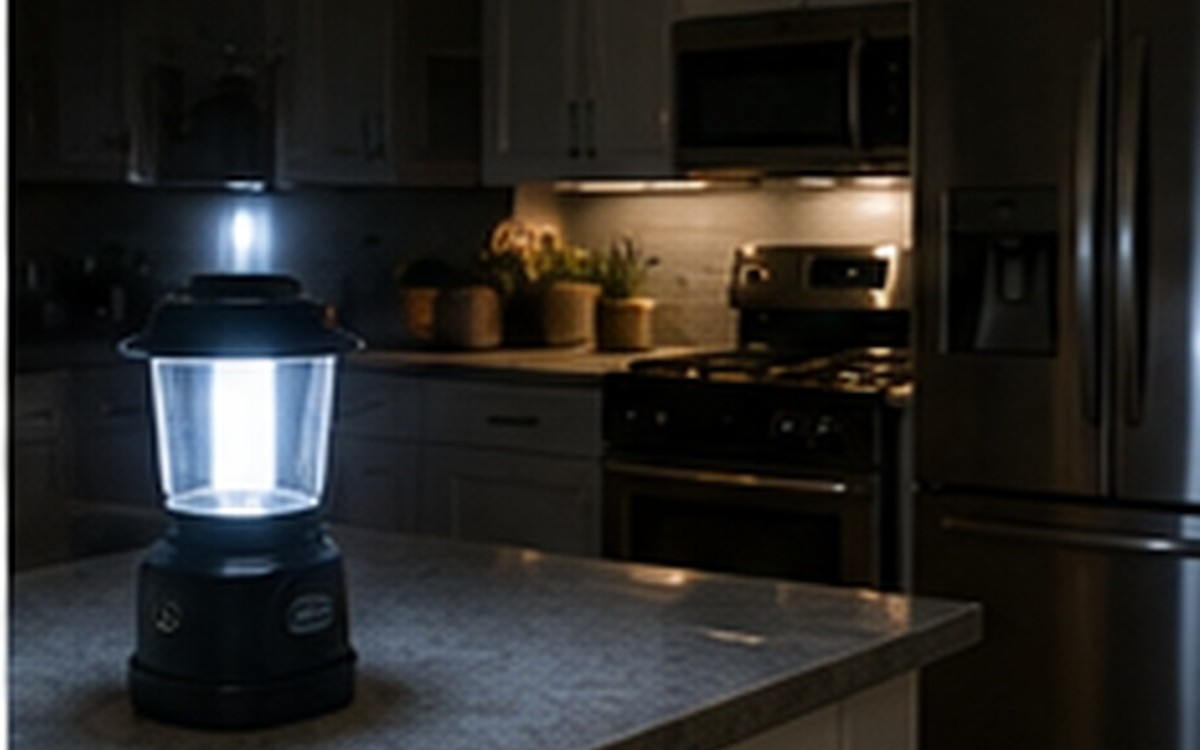
Unexpected power outages — whether from summer heat waves or winter storms — can do real damage to home appliances if you're not prepared. A little precaution goes a long way.
Keep fridge and freezer doors shut during an outage, unplug sensitive electronics if a storm or planned outage is expected, and wait 5–10 minutes after power returns before plugging everything back in. Install surge protection for long-term peace of mind.
What's at Risk During an Outage
Refrigerators can lose their contents if not sealed properly for the duration. Washers and dryers are vulnerable to electrical surges when power returns unevenly. Microwaves and ovens with digital controls can get reset or shorted. Freezers in hot garages are especially exposed during summer outages.
1. Install Surge Protectors
Standard power strips aren't built for large appliances. A whole-house surge protector, or a dedicated surge suppressor outlet for high-load appliances like washers and ovens, offers real protection — especially valuable in older Fresno and Clovis homes with outdated electrical panels.
2. Unplug During Storm or Heat Warnings
If you get an alert about an incoming storm or an extreme heat event through PG&E's outage tools, unplugging sensitive appliances (if it's safe to do so) reduces the risk of surge damage when the grid fluctuates.
Sign up for PG&E's outage alerts through their app or website. Advance notice of a planned Public Safety Power Shutoff gives you time to prepare your refrigerator and freezer before the power actually goes out.
Planned Outages vs. Unplanned Outages
Public Safety Power Shutoffs (PSPS) are planned outages PG&E initiates during high fire-risk weather, and they typically come with advance notice — sometimes a day or more. This is meaningfully different from a sudden unplanned outage, since it gives you time to prepare: freeze extra ice packs, consolidate the freezer's contents, and unplug sensitive electronics ahead of time rather than scrambling after the fact.
3. Keep Fridge and Freezer Doors Shut
A full freezer stays cold for roughly 48 hours if left closed; a half-full one for about 24. The fridge section will only hold safely for around 4 hours. Ice packs or frozen water bottles can help buy extra time.
4. Reset Appliances Safely After Power Returns
Wait 5–10 minutes before plugging things back in. Watch for flashing error codes or unusual noises, and don't ignore a blinking display or buzzing sound — both can indicate electrical damage that needs attention.
Stagger plugging appliances back in rather than all at once. This reduces the sudden electrical load on your home's panel right as power returns, when voltage can still be unstable.
5. What to Do If Something Stops Working
If an appliance won't turn back on or starts behaving strangely after an outage, it's time for a professional diagnostic rather than repeated attempts to reset it yourself.
Older Homes Face Higher Surge Risk
Fresno and Clovis have a meaningful number of homes with electrical panels and wiring that predate modern surge tolerance standards. If your home falls into that category, whole-house surge protection is a more valuable investment than it might be in a newer build, since the underlying electrical system offers less inherent protection against sudden voltage spikes to begin with.
Prioritizing What to Protect First
If budget or time constraints mean you can't set up comprehensive surge protection all at once, prioritize refrigerators and freezers first, given the direct food-safety and replacement-cost implications of a failure. After that, any appliance with a sensitive digital control board — a modern washer, dryer, or oven with electronic touch controls — is worth protecting next, since these components are particularly vulnerable to surge damage compared to older, simpler mechanical controls.
A little preparation before the next outage can be the difference between a minor inconvenience and a genuinely costly appliance failure.
If an outage left an appliance not working right, MVI Appliance offers same-day diagnostics across Fresno, Clovis, and Madera. Schedule service online or call for urgent issues.
Frequently Asked Questions
How long can food safely stay in a closed refrigerator during an outage?
About 4 hours in the refrigerator section. A full freezer holds safely for roughly 48 hours if left unopened, and a half-full freezer for about 24 hours, per USDA guidance.
Should I unplug all my appliances during a PG&E outage?
For sensitive electronics and major appliances, unplugging is a reasonable precaution, especially ahead of a known planned outage or severe weather event. It's less critical for a brief, unplanned outage.
What's the difference between a power strip and a surge protector for appliances?
A standard power strip offers little to no surge protection. A dedicated surge protector, especially a whole-house unit installed at the panel, actually absorbs and redirects excess voltage before it reaches sensitive components.
How do I know if my appliance was damaged by a power surge?
Watch for a unit that won't turn on, displays error codes, resets to default settings unexpectedly, or makes unusual noises after power returns. Any of these warrant a professional inspection before continued use.
Does PG&E offer any outage alert system?
Yes, PG&E provides outage maps and alert notifications through their website and mobile app, which can give advance warning for planned outages and real-time status during unplanned ones.
Are Public Safety Power Shutoffs different from typical outages?
Yes — PSPS events are planned outages initiated by the utility during high fire-risk weather conditions, which means there's often advance notice, giving households time to prepare appliances and food storage ahead of time, unlike a sudden unplanned outage.
Is it worth investing in a home battery backup system?
For households in areas prone to frequent or extended outages, a backup battery system can protect critical appliances like refrigerators from both spoilage and the surge risk of repeated power cycling — worth evaluating based on your specific outage history.
Do older homes in Fresno face higher surge risk than newer ones?
Generally yes, since older electrical panels and wiring weren't designed with the same surge tolerances as modern systems, making surge protection an especially worthwhile investment for owners of older Fresno and Clovis homes.
What appliances are most worth protecting first if I can't cover everything?
Refrigerators and freezers top the list given the food-safety and cost implications of a failure, followed by any appliance with a sensitive digital control board, like a modern washer, dryer, or oven with electronic controls.